







What is a Sport Court Cost?
Building a dedicated sports facility is one of the most rewarding investments for residential backyards, educational institutions, and public commercial projects. However, determining a precise sport court cost requires a professional breakdown of multiple structural variables.
From compact 3x3 backyard basketball setups to multi-use indoor school gymnasiums, the total budget is heavily dictated by dimensions, substructure engineering, and surface materials. As Integral Spor, we have analyzed the core cost dynamics for 2026 to help you optimize your sports facility investment.
1. Game Formats and Dimensions
The physical footprint of your court is the first major factor driving the overall cost. Sport courts are highly customizable and can be tailored to various playing group sizes, layouts, and tactical configurations:
-
3x3 Courts (Half-Court): Generally preferred for residential backyards, small kids' gardens, and urban streetball projects. It requires minimal space and a highly economical budget.
-
4x4 & 5x5 Courts (Full-Court): The ideal standard for official multi-sport matches, high school tournament grounds, and professional university training facilities.
Strategic Tip: If you have limited space, opting for a Multi-Use Sport Court design allows you to integrate basketball, volleyball, and tennis into a single footprint, maximizing your return on investment (ROI) without doubling your spatial footprint.
2. Key Components Affecting Sport Court Costs
A professional sport court is a multi-layered engineering project. Budgeting requires considering everything underneath the surface to the hardware installed above.
| Cost Item | Estimated Budget Impact | Description |
| Substructure & Base Prep | 25% - 35% | Asphalt or concrete leveling work. The ultimate foundation for court longevity. |
| Flooring & Surface Type | 30% - 40% | Polypropylene tiles, acrylic, polyurethane, or hardwood selection. |
| Sports Equipment & Nets | 15% - 20% | Professional basketball hoops, multi-sport posts, nets, and perimeter fencing. |
| Lighting & Electrical | 10% - 15% | Night-game optimization via commercial-grade LED floodlights. |
3. Substructure Requirements: The Foundation of Performance
You cannot build a premium sport court on an unstable foundation. The sub-base must be perfectly flat, smooth, clean, and properly sloped for water drainage. 2026 engineering standards recognize three main base applications:
-
Concrete Base: The most durable and permanent option for commercial and outdoor areas. It prevents shifting, sinking, and cracking over time.
-
Asphalt Base: Provides a slightly more forgiving, naturally shock-absorbing base layer. Highly recommended for large outdoor multi-use municipal courts.
-
Natural Ground Preparation: Can be utilized for temporary, modular interlocking tile applications, provided the soil is heavily compacted, stabilized, and perfectly leveled to prevent uneven ball bounce.
4. Indoor and Outdoor Sport Court Cost Dynamics
Where you choose to build changes how you build. Indoor and outdoor sport court costs diverge significantly based on environmental protection needs and site accessibility:
-
Outdoor Sport Courts: Installed in backyards, public gardens, resorts, and school yards. They require heavy UV-stabilized materials and efficient sub-base drainage channels to withstand heavy rainfall, snow, and extreme temperature drops.
-
Indoor Sport Courts: Designed for gym areas, indoor fitness centers, and private sports clubs. While they eliminate outdoor weather-proofing costs, they introduce overhead expenses like indoor climate control (HVAC), complex ceiling acoustics, and structural roofing.
5. Flooring Technologies: Performance & Customization
The flooring surface is the single most influential factor regarding player safety, joint protection, and aesthetic personalization. Modern sports infrastructure offers several key variants:
-
Modular Interlocking Tiles (PP): Formulated with premium shock absorption and fast drainage, making them the absolute best option for outdoor 3x3 basketball.
-
Acrylic Coating: A cost-effective, durable, and highly vibrant solution typically layered over concrete or asphalt for outdoor multi-sport use.
-
Polyurethane (PU) Coating: Seamless, elastic, and highly premium. It offers professional joint protection and is a staple for indoor multi-use gym halls.
-
Hardwood Flooring: The gold standard for professional indoor basketball courts, providing the highest caliber ball bounce and elite aesthetics.
Note: All modern flooring surfaces can be fully personalized with custom color zoning, customized boundaries, and crisp, branded club or school logo printing.
6. Essential Hardware and System Upgrades
To finalize your sport court budget, you must factor in the structural accessories that complete the playing experience:
-
Professional Hoop Systems: Adjustable or fixed, heavy-duty glass/acrylic backboards capable of withstanding high-intensity play.
-
Smart LED Lighting: Utilizing energy-efficient LED lamps ensures homogeneous illumination, low glare, and significantly cheaper utility bills for night games.
-
Boundary Fencing & Multi-Purpose Nets: Keeps the ball in play, defines the court limits, and guarantees spectator safety.
Conclusion
A sport court cost is not a one-size-fits-all figure; it is a highly scalable equation depending on your location, chosen materials, and target usage.
As Integral Spor, we deliver global-standard, turnkey sport court solutions engineered for high performance and longevity. Contact our expert technical team today to receive a customized project layout and an accurate commercial quote for your facility.
Другие новости
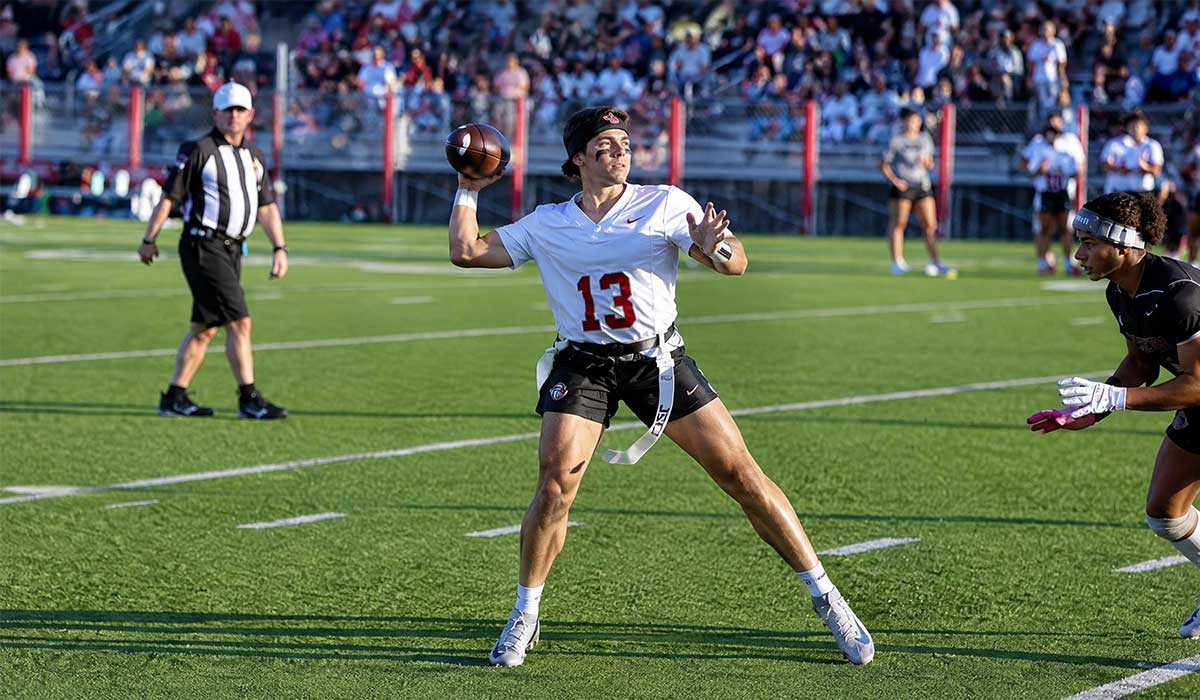
09/09/2026
В 2028 году флаг-футбол станет олимпийским видом спорта. Что инвесторам нужно знать о размерах поля, требованиях к строительству и стоимости.
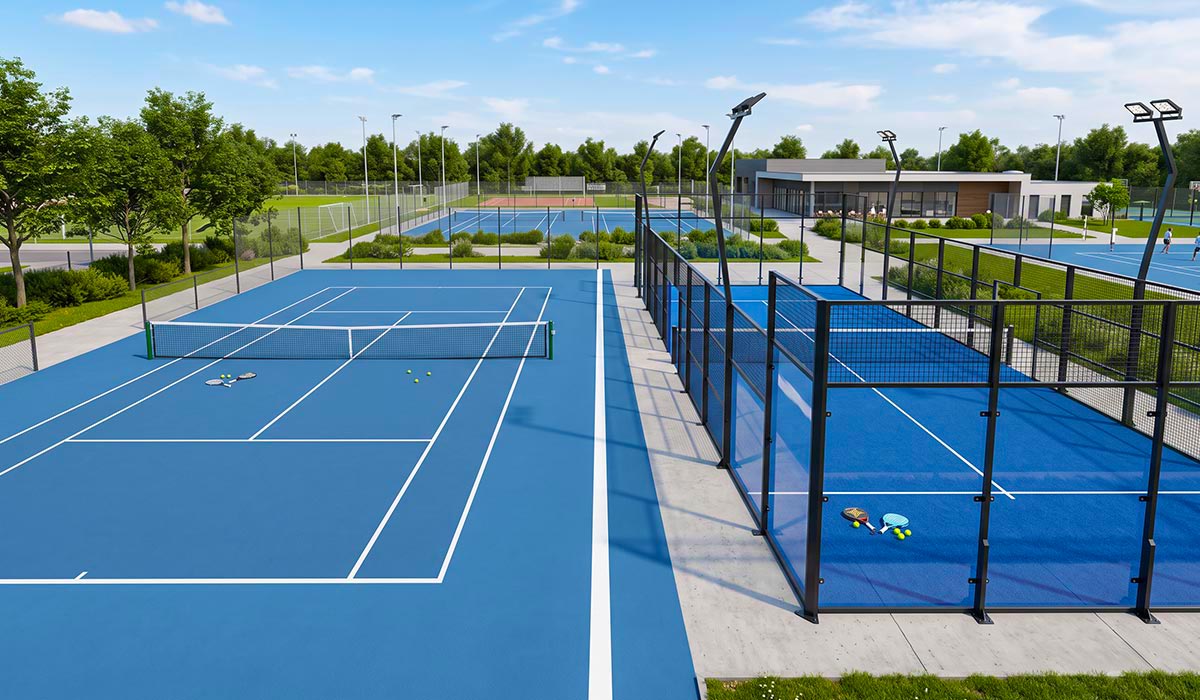
08/09/2026
Переоборудование неиспользуемого теннисного корта в падел-корт превращает уже имеющуюся площадку в новую инвестиционную возможность. Процесс переоборудования, преимущества по затратам, открытые и крытые варианты и решения неонового падел-корта.
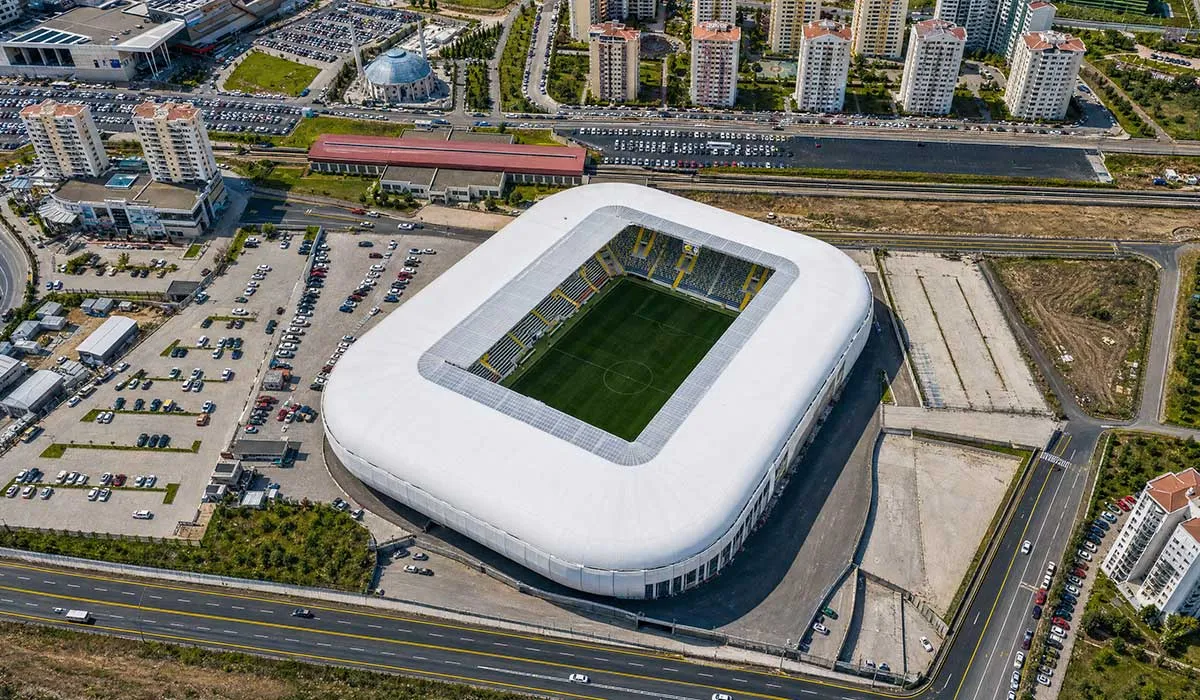
19/08/2026
Реконструкция, модернизация и увеличение вместимости действующих спортивных объектов — от стадионов до спортивных залов. Узнайте, как грамотная инженерия выводит объект на новый уровень.